The 1952 Bolivian Revolution
In April 1952, Bolivia experienced a social revolution that brought the Movimiento Nacionalista Revolucionario to power. Over a period of 12 years, until the MNR was ousted by a military coup in 1964, the party attempted to modernize Bolivia.
The article Liberating the people from their “loathsome practices:” public health and “silent racism” in post-revolutionary Bolivia explores the language that doctors and public health workers used to describe Bolivia’s indigenous population in the 1950s and 1960s.
Historian Nicole L. Pacino, Assistant Professor at University of Alabama in Huntsville argues that MNR used public health as a project of cultural assimilation, and that state-sponsored health programs sought to culturally “whiten” the indigenous population by transforming personal habits.






 Call for papers: Circulation and Exchange in Science and Diplomacy
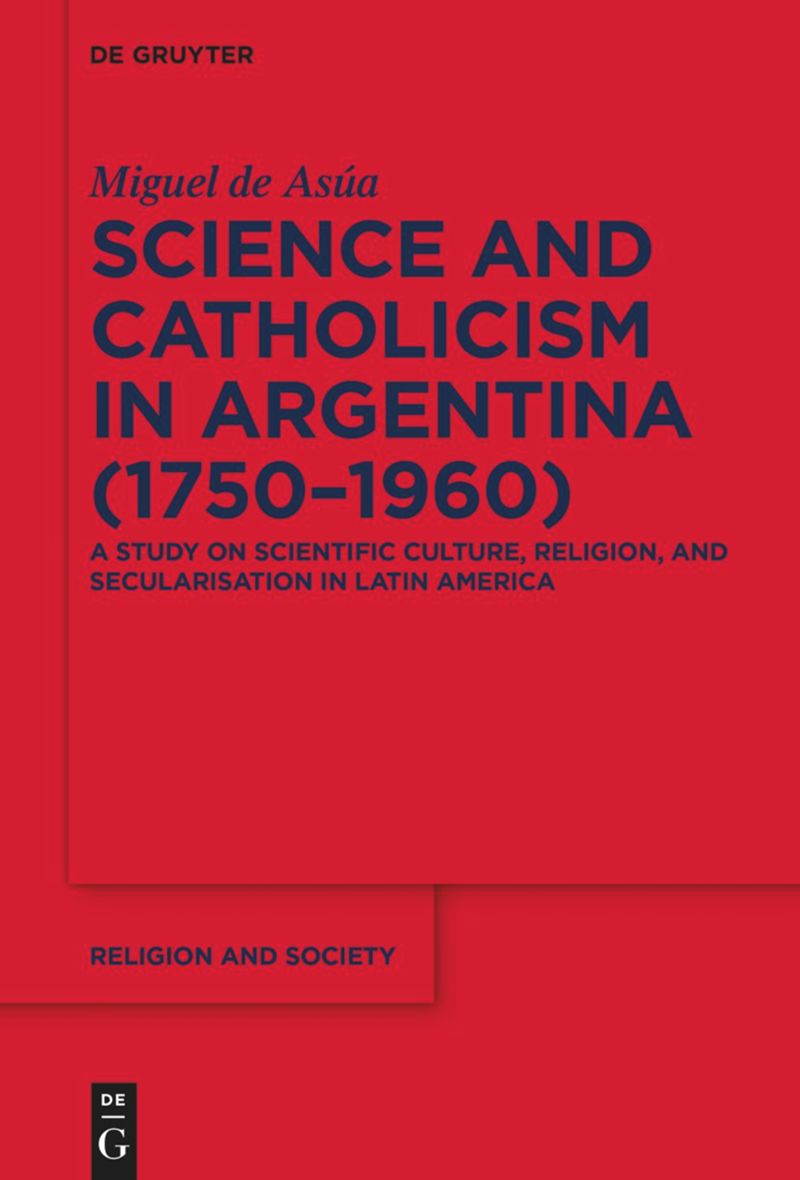 Ciencia y catolicismo en Argentina (1750-1960)
 La creación de Escuela de Salud Pública de Buenos Aires, 1958
 Vol. 18 • Supplement 1 • December 2011
 Against the global trend
 Health Inequity during the Pandemic: A Cry for Ethical Global Leadership
 Malaria, modernidad y desarrollo en la Argentina de la primera mitad del siglo XX
 Social networks and scientific journalism: a challenge to editors