




 ANALYSIS
From psychiatric reform to the struggle for a ‘non-fascist life’
Sergio Alarcon
abstract
Graduate studies and work: a study on the plans and expectations of Brazilian doctoral candidates
Rita de Cássia Ramos Louzada and João Ferreira da Silva Filho
abstract
The concept of student health as viewed by early elementary school teachers (1st- 4th grades)
Marcos Henrique Fernandes, Vera Maria Rocha and Djanira Brasilino de Souza
abstract
Notes on an approximation between neo-Darwinism and the social sciences
Ricardo Waizbort
abstract
DOSSIER: RACE, GENETICS, IDENTITIES, AND HEALTH
Reasons for banishing the concept of race from Brazilian medicine
Sérgio D. J. Pena
abstract
The significance of sickle cell anemia within the context of the Brazilian government’s ‘racial policies’ (1995-2004)
Peter H. Fry
abstract
Race, genetics, and hypertension: new genetics or old eugenics?
Josué Laguardia
abstract
Human nature created in the laboratory: the biologization and genetization of kinship in new reproductive technologies
Naara Luna
abstract
In times of racialization: the case of the ‘health of the black population’ in Brazil
Marcos Chor Maio and Simone Monteiro
abstract
Anthropology, race, and the dilemmas of identity in the age of genomics
Ricardo Ventura Santos and Marcos Chor Maio
abstract
DEBATE
Science, technology, parliament, and dialoguing with citizen
Luisa Massarani
text in portuguese
Public participation in Science and Technology: influencing decisions and, primarily, keeping society informed and involved
Interview with Lars Klüver and Edna F. Einsiedel, by Luisa Massarani e Carla Almeida
text in portuguese
Democratizing science? Citizen juries and other deliberative methods
Tom Shakespeare
text in portuguese
Consensus conferences: the Chilean experience
Alberto Pellegrini Filho
text in portuguese
The human genome on the streets of Avellaneda
Ricardo Ferraro, Adriano J. Bacciadonne, Alberto Díaz
text in portuguese
SOURCES
Chernoviz and popular medical manuals in the days of the Empire
Maria Regina Cotrim Guimarães
abstract
IMAGES
Theodoro Peckolt: the scientific work of a pioneer in phytochemistry in Brazil
Nadja Paraense dos Santos
abstract
RESEARCH NOTES
Giovanni Battista Marini Bettolo: his role in the development of chemistry in Uruguay
Bernardo Borkenztain, Amílcar Davyt, Fernando Ferreira and Patrick Moyna
abstract
Body image: discovering one’s self
Daniela dias Barros
abstract
BOOKS & NETWORKS
A multi-faceted look across time: hygienism and eugenics in Brazil
• reviewed by Bernardo Andrade Marçolla on Higiene e raça como projetos: higienismo e eugenismo no Brasil, de Maria Lúcia Boarini (org.)
text in portuguese
Chapters in the social history of medicine in Brazil
• reviewed by Carlos Eduardo Calaça on Artes e ofícios de curar no Brasil: capítulos de história social, de Sidney Chalhoub et al. (org.)
texto em português
The sociopolitical dimensions of an epidemic: São Paulo in the mad grip of the Spanish flu
• reviewed by Christiane Maria Cruz de Souza on A gripe espanhola em São Paulo, 1918: epidemia e sociedade, by Cláudio Bertolli Filho
text in portuguese
Contradictions and asymmetries in the construction of knowledge about Aids/HIV
• reviewed by Maria Cristina da Costa Marques on Ciência, poder, acção: as respostas à Sida,
by Cristiana Bastos
text in portuguese
Abysm or continuities? Polemics surrounding pre-colonial Tupi and the ‘general language’ disseminated by the Jesuits
• reviewed by Jânia Martins Ramos e Renato Pinto Venâncio on Línguas gerais: política lingüística na América do Sul no período colonial, by José Ribamar Bessa Freire e Maria Carlota Rosa (org.)
text in portuguese
New reflections on Aids
• reviewed by João Bôsco Hora Góis on A história de uma epidemia moderna: a emergência política da Aids/HIV no Brasil, by Maria Cristina da Costa Marques
text in portuguese
The Complete Works of Adolpho Lutz: an unprecedented work in review
• reviewed by Sandra Caponi sobre Adolpho Lutz: obra completa (1ª caixa, com quatro livros),
by Jaime L. Benchimol e Magali Romero Sá (org.)
text in spanish
ANALYSIS
From psychiatric reform to the struggle for a ‘non-fascist life’
Sergio Alarcon
abstract
Graduate studies and work: a study on the plans and expectations of Brazilian doctoral candidates
Rita de Cássia Ramos Louzada and João Ferreira da Silva Filho
abstract
The concept of student health as viewed by early elementary school teachers (1st- 4th grades)
Marcos Henrique Fernandes, Vera Maria Rocha and Djanira Brasilino de Souza
abstract
Notes on an approximation between neo-Darwinism and the social sciences
Ricardo Waizbort
abstract
DOSSIER: RACE, GENETICS, IDENTITIES, AND HEALTH
Reasons for banishing the concept of race from Brazilian medicine
Sérgio D. J. Pena
abstract
The significance of sickle cell anemia within the context of the Brazilian government’s ‘racial policies’ (1995-2004)
Peter H. Fry
abstract
Race, genetics, and hypertension: new genetics or old eugenics?
Josué Laguardia
abstract
Human nature created in the laboratory: the biologization and genetization of kinship in new reproductive technologies
Naara Luna
abstract
In times of racialization: the case of the ‘health of the black population’ in Brazil
Marcos Chor Maio and Simone Monteiro
abstract
Anthropology, race, and the dilemmas of identity in the age of genomics
Ricardo Ventura Santos and Marcos Chor Maio
abstract
DEBATE
Science, technology, parliament, and dialoguing with citizen
Luisa Massarani
text in portuguese
Public participation in Science and Technology: influencing decisions and, primarily, keeping society informed and involved
Interview with Lars Klüver and Edna F. Einsiedel, by Luisa Massarani e Carla Almeida
text in portuguese
Democratizing science? Citizen juries and other deliberative methods
Tom Shakespeare
text in portuguese
Consensus conferences: the Chilean experience
Alberto Pellegrini Filho
text in portuguese
The human genome on the streets of Avellaneda
Ricardo Ferraro, Adriano J. Bacciadonne, Alberto Díaz
text in portuguese
SOURCES
Chernoviz and popular medical manuals in the days of the Empire
Maria Regina Cotrim Guimarães
abstract
IMAGES
Theodoro Peckolt: the scientific work of a pioneer in phytochemistry in Brazil
Nadja Paraense dos Santos
abstract
RESEARCH NOTES
Giovanni Battista Marini Bettolo: his role in the development of chemistry in Uruguay
Bernardo Borkenztain, Amílcar Davyt, Fernando Ferreira and Patrick Moyna
abstract
Body image: discovering one’s self
Daniela dias Barros
abstract
BOOKS & NETWORKS
A multi-faceted look across time: hygienism and eugenics in Brazil
• reviewed by Bernardo Andrade Marçolla on Higiene e raça como projetos: higienismo e eugenismo no Brasil, de Maria Lúcia Boarini (org.)
text in portuguese
Chapters in the social history of medicine in Brazil
• reviewed by Carlos Eduardo Calaça on Artes e ofícios de curar no Brasil: capítulos de história social, de Sidney Chalhoub et al. (org.)
texto em português
The sociopolitical dimensions of an epidemic: São Paulo in the mad grip of the Spanish flu
• reviewed by Christiane Maria Cruz de Souza on A gripe espanhola em São Paulo, 1918: epidemia e sociedade, by Cláudio Bertolli Filho
text in portuguese
Contradictions and asymmetries in the construction of knowledge about Aids/HIV
• reviewed by Maria Cristina da Costa Marques on Ciência, poder, acção: as respostas à Sida,
by Cristiana Bastos
text in portuguese
Abysm or continuities? Polemics surrounding pre-colonial Tupi and the ‘general language’ disseminated by the Jesuits
• reviewed by Jânia Martins Ramos e Renato Pinto Venâncio on Línguas gerais: política lingüística na América do Sul no período colonial, by José Ribamar Bessa Freire e Maria Carlota Rosa (org.)
text in portuguese
New reflections on Aids
• reviewed by João Bôsco Hora Góis on A história de uma epidemia moderna: a emergência política da Aids/HIV no Brasil, by Maria Cristina da Costa Marques
text in portuguese
The Complete Works of Adolpho Lutz: an unprecedented work in review
• reviewed by Sandra Caponi sobre Adolpho Lutz: obra completa (1ª caixa, com quatro livros),
by Jaime L. Benchimol e Magali Romero Sá (org.)
text in spanish
Vol. 12 • n. 2 • May-Aug. 2005
ANALYSIS
From psychiatric reform to the struggle for a ‘non-fascist life’
Sergio Alarcon
abstract
Graduate studies and work: a study on the plans and expectations of Brazilian doctoral candidates
Rita de Cássia Ramos Louzada and João Ferreira da Silva Filho
abstract
The concept of student health as viewed by early elementary school teachers (1st- 4th grades)
Marcos Henrique Fernandes, Vera Maria Rocha and Djanira Brasilino de Souza
abstract
Notes on an approximation between neo-Darwinism and the social sciences
Ricardo Waizbort
abstract
DOSSIER: RACE, GENETICS, IDENTITIES, AND HEALTH
Reasons for banishing the concept of race from Brazilian medicine
Sérgio D. J. Pena
abstract
The significance of sickle cell anemia within the context of the Brazilian government’s ‘racial policies’ (1995-2004)
Peter H. Fry
abstract
Race, genetics, and hypertension: new genetics or old eugenics?
Josué Laguardia
abstract
Human nature created in the laboratory: the biologization and genetization of kinship in new reproductive technologies
Naara Luna
abstract
In times of racialization: the case of the ‘health of the black population’ in Brazil
Marcos Chor Maio and Simone Monteiro
abstract
Anthropology, race, and the dilemmas of identity in the age of genomics
Ricardo Ventura Santos and Marcos Chor Maio
abstract
DEBATE
Science, technology, parliament, and dialoguing with citizen
Luisa Massarani
text in portuguese
Public participation in Science and Technology: influencing decisions and, primarily, keeping society informed and involved
Interview with Lars Klüver and Edna F. Einsiedel, by Luisa Massarani e Carla Almeida
text in portuguese
Democratizing science? Citizen juries and other deliberative methods
Tom Shakespeare
text in portuguese
Consensus conferences: the Chilean experience
Alberto Pellegrini Filho
text in portuguese
The human genome on the streets of Avellaneda
Ricardo Ferraro, Adriano J. Bacciadonne, Alberto Díaz
text in portuguese
SOURCES
Chernoviz and popular medical manuals in the days of the Empire
Maria Regina Cotrim Guimarães
abstract
IMAGES
Theodoro Peckolt: the scientific work of a pioneer in phytochemistry in Brazil
Nadja Paraense dos Santos
abstract
RESEARCH NOTES
Giovanni Battista Marini Bettolo: his role in the development of chemistry in Uruguay
Bernardo Borkenztain, Amílcar Davyt, Fernando Ferreira and Patrick Moyna
abstract
Body image: discovering one’s self
Daniela dias Barros
abstract
BOOKS & NETWORKS
A multi-faceted look across time: hygienism and eugenics in Brazil
• reviewed by Bernardo Andrade Marçolla on Higiene e raça como projetos: higienismo e eugenismo no Brasil, de Maria Lúcia Boarini (org.)
text in portuguese
Chapters in the social history of medicine in Brazil
• reviewed by Carlos Eduardo Calaça on Artes e ofícios de curar no Brasil: capítulos de história social, de Sidney Chalhoub et al. (org.)
texto em português
The sociopolitical dimensions of an epidemic: São Paulo in the mad grip of the Spanish flu
• reviewed by Christiane Maria Cruz de Souza on A gripe espanhola em São Paulo, 1918: epidemia e sociedade, by Cláudio Bertolli Filho
text in portuguese
Contradictions and asymmetries in the construction of knowledge about Aids/HIV
• reviewed by Maria Cristina da Costa Marques on Ciência, poder, acção: as respostas à Sida,
by Cristiana Bastos
text in portuguese
Abysm or continuities? Polemics surrounding pre-colonial Tupi and the ‘general language’ disseminated by the Jesuits
• reviewed by Jânia Martins Ramos e Renato Pinto Venâncio on Línguas gerais: política lingüística na América do Sul no período colonial, by José Ribamar Bessa Freire e Maria Carlota Rosa (org.)
text in portuguese
New reflections on Aids
• reviewed by João Bôsco Hora Góis on A história de uma epidemia moderna: a emergência política da Aids/HIV no Brasil, by Maria Cristina da Costa Marques
text in portuguese
The Complete Works of Adolpho Lutz: an unprecedented work in review
• reviewed by Sandra Caponi sobre Adolpho Lutz: obra completa (1ª caixa, com quatro livros),
by Jaime L. Benchimol e Magali Romero Sá (org.)
text in spanish at random
-
-
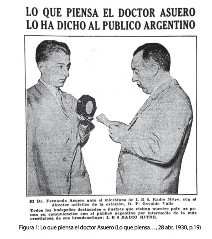 Asuero y la práctica ilegal de la medicina
-
 Smoking trends around the globe
-
 El devenir histórico de la poliomielitis en la Argentina
-
 La salud laboral en el siglo XX y el XXI
-
 Salud y pandemia en la segunda vuelta electoral en Perú
-
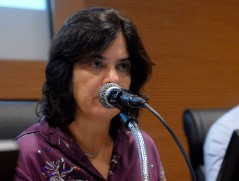 Nísia Trindade Lima was appointed for a second term as President of Fiocruz
-
 Dossier Pierre Duhem
- Ramón Carrillo y una polémica en tiempos de Pandemia
-
 Biblioteca digital de la medicina tradicional mexicana
-
 Dossier: Vacunas y vacunación