



Vivian Mannheimer
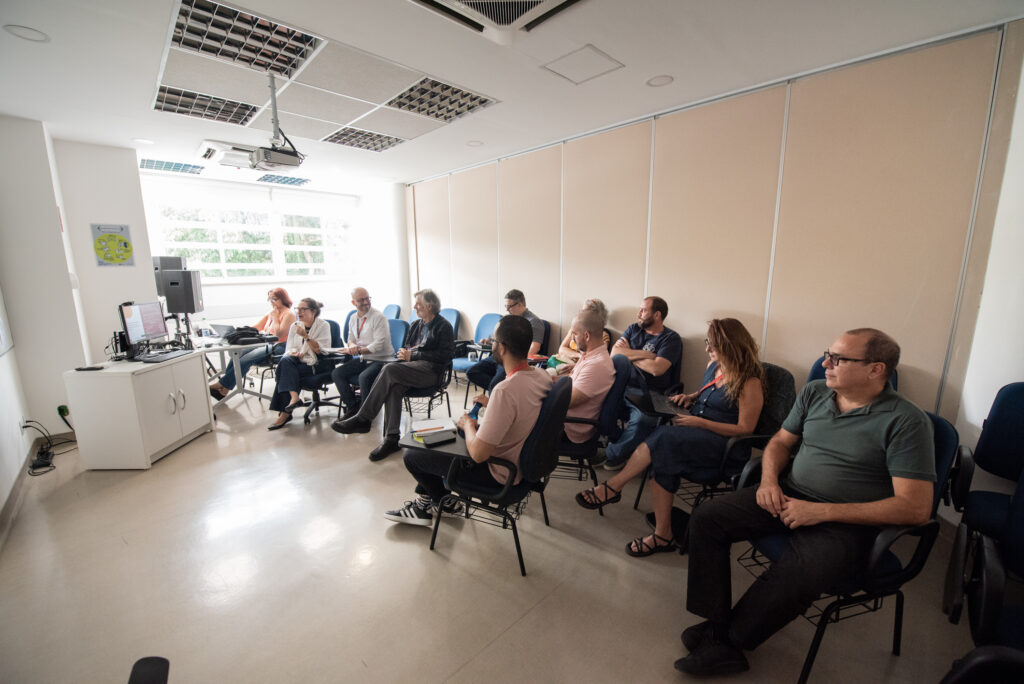
On February 26, História, Ciências, Saúde – Manguinhos held a meeting with its editorial team to introduce its new associate editors, review the journal’s main achievements in 2025, and discuss plans for the coming years.
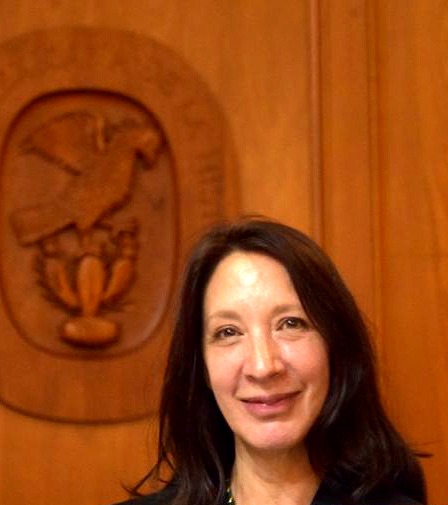
A key highlight of the meeting was the introduction of the new associate editors: María Isabel Porras Gallo (University of Castilla-La Mancha, Spain), Mauricio Nieto Olarte (Universidad de los Andes, Colombia), Regina Horta Duarte (Federal University of Minas Gerais, Brazil), Elizabeth O’Brien (University of California, Los Angeles), and Maria Paula Diogo (FCT NOVA, Lisbon). Their appointment reinforces the journal’s internationalization strategy by bringing together scholars with distinguished careers in the history of science, health, and technology in Brazil and abroad.
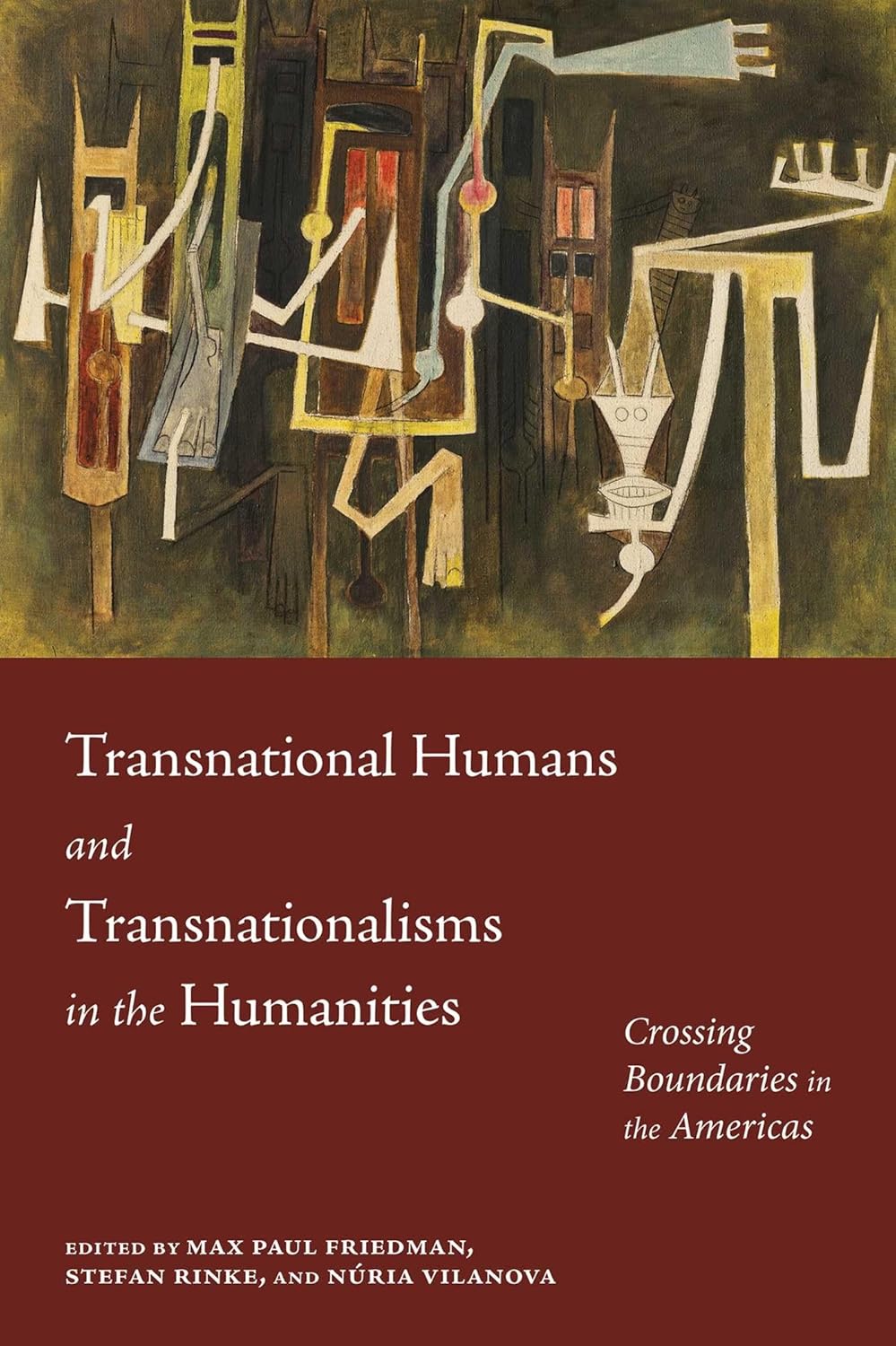
Among the new members, María Isabel Porras Gallo researches the social, political, and scientific dimensions of health crises, with particular emphasis on the 1918 influenza pandemic, poliomyelitis, and the history of vaccines. Regina Horta Duarte is known for her work in the history of biology, environmental history, and, more recently, animal history. Elizabeth O’Brien specializes in the history of medicine in Latin America, with a focus on gender and sexuality, particularly reproductive history in Mexico. Maria Paula Diogo is a leading scholar in the history of science and technology in Portugal, with research on engineering, the Estado Novo regime, the Portuguese presence in Africa, and urban development. Mauricio Nieto Olarte studies the intersections of science, technology, and politics in the imperial Atlantic world between the sixteenth and nineteenth centuries.
The new appointees join current associate editors André Felipe Cândido da Silva, Karina Inés Ramacciotti, Nelson Rodrigues Sanjad, and Vanderlei Sebastião de Souza. Section editors were also presented: Ana Carolina Vimieiro-Gomes for Reviews, and Marina Ramalho and Carla da Silva Almeida for Science Communication.
The meeting also recognized the contributions of Marcos Cueto, who led the journal’s scientific editorial office for ten years and played a key role in its internationalization process. The new editorial leadership is now headed by Gabriel Lopes, alongside executive editor Roberta Cerqueira.
Another central topic was the journal’s growing national and international visibility across social media and outreach platforms. The HCSM Journal Blog currently has 7,200 active users, mainly in Brazil but also in countries such as China, the United States, Portugal, and Mexico. The meeting also highlighted the consolidation of the journal’s presence on Bluesky, with 145 followers and more than 100 posts, as well as the growth of its Instagram account, which now has 1,200 followers and 65 posts. The journal’s presence on SciELO was also noted for its high visibility, with approximately 250,000 monthly visits.
The 2025 editorial report also recorded 177 submissions and 12 texts translated into other languages, mainly English and Spanish. Among the approved articles, 38 were in Portuguese, 17 in Spanish, and 11 in English. Data on the origin of submissions were also presented, showing that most came from Brazil (68.4%), followed by Portugal (5.1%), Argentina (4.5%), Mexico (4.0%), Colombia (3.4%), and China (3.4%).
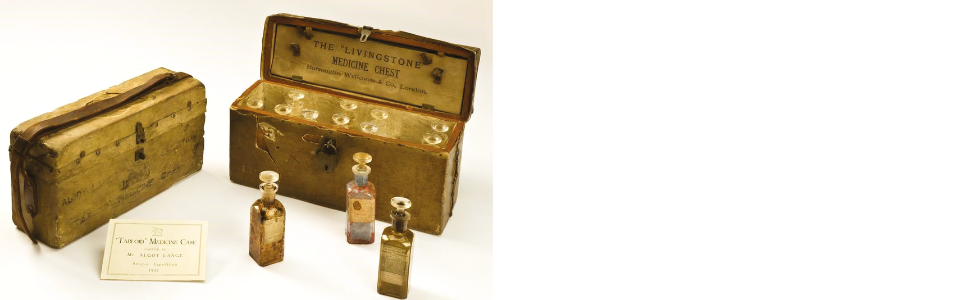
The meeting also addressed the journal’s thematic supplements. Among the topics discussed was the 2025 supplement Colonial and Postcolonial Collections in Portugal: Reconstructing Trajectories and Rethinking Narratives, organized by Elisabete Pereira, Catarina Simões, and Quintino Lopes. The volume brings together articles that critically examine colonial legacies in Portuguese museums and scientific institutions, in the context of renewed public debate on restitution, reparations, and historical responsibility.
Upcoming thematic issues were also presented. In 2026, the journal will publish the supplement Science, Health, and Epidemics: Historical Perspectives on Smallpox, organized by Tânia Salgado Pimenta, Jaqueline Hasan Brizola, and Gutiele Gonçalves dos Santos. For 2027, the special issue Historical Perspectives on Actors, Methods, and Resistance to Immunization, organized by Magali Romero Sá and Isabel Lustosa, is scheduled. In 2028, the journal will publish the supplement Experiences, Perceptions, and Claims of Mental Patients in Spain (20th–21st Centuries), organized by Ricardo Campos and Silvia Levy.
At the close of the meeting, scientific editor Gabriel Lopes emphasized that the gathering aimed to welcome the new members into the editorial team and encourage the collective development of new ideas for the journal, including initiatives to strengthen the Reviews section.