The limits of healthcare assistance in 19th century Brazil In order to understand healthcare assistance in nineteenth century Brazil, Rogério Siqueira and Maria Renilda Barreto examine the Zona da Mata region in the state of Minas Gerais.
Women involved in Brazil’s health policy on leprosy Francieli Lunelli Santos and José Augusto Leandro examine the family profiles of women holding key decision-making positions in health policy concerning leprosy from the mid-1920s to the late 1940s.
Chagas disease and tropical medicine in Brazil, 1908-1909 The disease was discovered in 1909 by the Brazilian sanitary physician Carlos Chagas at the Oswaldo Cruz Institute.
Railroads and tropical medicine in Brazil This paper by Jaime Benchimol and André Felipe Cândido da Silva, our former and current science editors, shows how railways supported the development of tropical medicine in the First Republic.
Zefinha, the longest confined woman in Brazil Debora Diniz and Luciana Brito (Universidade de Brasília) analyze dossier, judicial proceedings, interviews and photographs about the woman who spent more time within the walls of the forensic hospital than outside them.
Medicine in the context of Portugal, Africa and Brazil This dossier examines different aspects of medicine in the Portuguese colonial period, such as the slave trade and the circulation of diseases.
Two views on malaria This research compares two views of malaria in the Amazon that coexisted side by side during the First Brazilian Republic (1889-1930). April 25, World Malaria Day.





 Madres y niños en HCS-Manguinhos
 Vol. 2 • n. 3 • nov. 1995 – feb. 1996
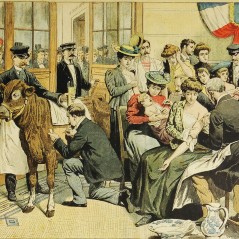 Vida y muerte de las vacunas
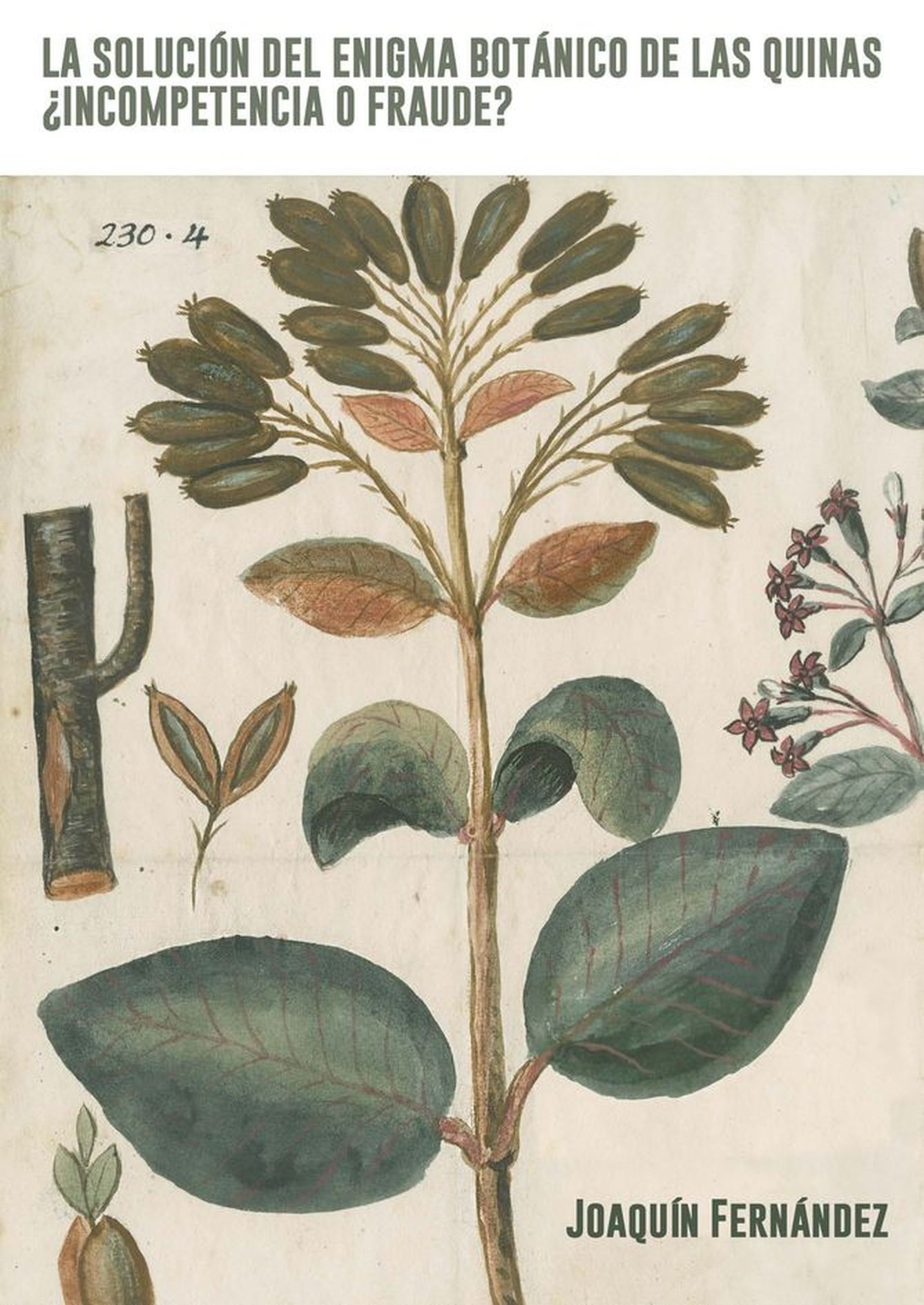 El enigma botánico de las quinas
 Vol. 6 • n. 1 • Mar.-July 1999
 The Martsinovsky Institute of Medical Parasitology and Tropical Medicine in Moscow
 Standards in the history of contemporary science
 Marcos Cueto will serve as Tinker Visiting Professor at the University of Chicago this fall
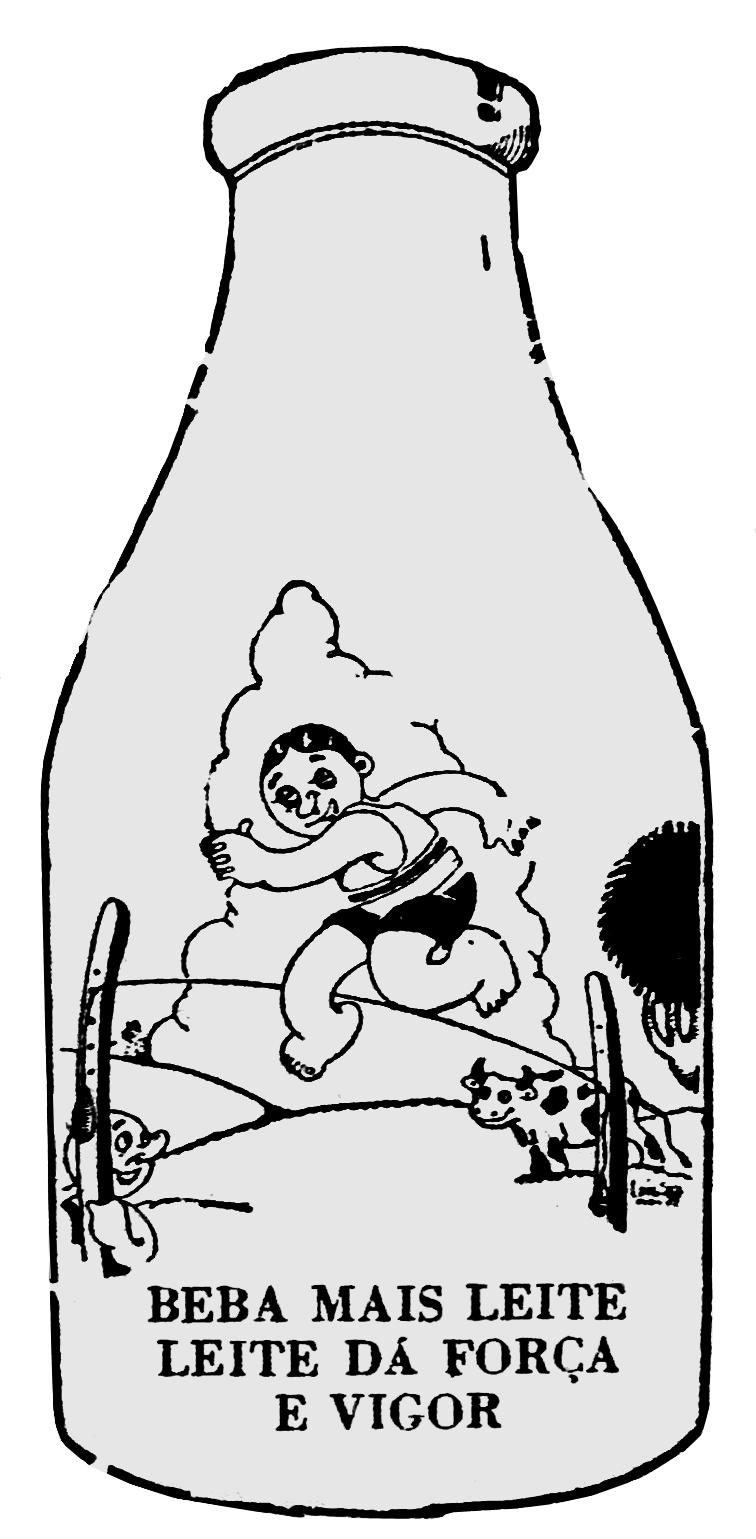 Milk and modernity
 Global Health Chronicles